



Salmon Nutrition Facts per 100g
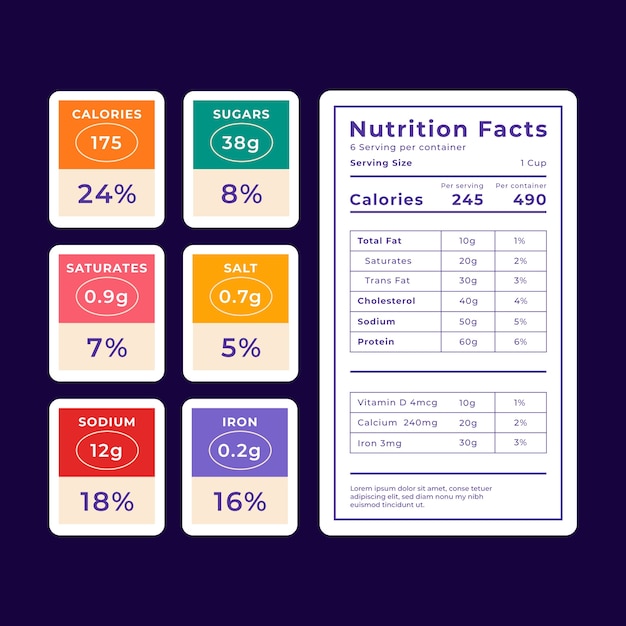
Salmon is a powerhouse of nutrition with its low-calorie content and high protein count.
A 100g serving of salmon provides a generous amount of heart-healthy omega-3 fatty acids.
Eating salmon regularly can help improve brain function and reduce the risk of cognitive decline.
Salmon is an excellent source of vitamin D, which is crucial for bone health and immune function.
The high protein content in salmon makes it a great choice for muscle recovery and growth.
Did you know that salmon is rich in selenium, a mineral that plays a vital role in thyroid function?
Salmon is an excellent source of potassium, which helps regulate blood pressure.
The unique combination of nutrients in salmon can promote healthy skin and a youthful complexion.
Incorporating 100g of salmon into your diet can help boost your metabolism and aid in weight management.
Salmon is packed with antioxidants that can help protect against cellular damage and decrease the risk of chronic diseases.
A 100g serving of salmon provides a substantial amount of B vitamins, which are essential for energy production.
Adding salmon to your meals can help reduce inflammation in the body and support overall health.
Salmon is a nutrient-dense food, meaning it provides a wide range of essential nutrients in a small serving.
Eating salmon regularly can improve your mood and help prevent symptoms of depression.
Salmon is an abundant source of phosphorus, a mineral that plays a crucial role in bone and teeth health.
Salmon Nutrition Facts per 100g part 2
Including salmon in your diet can aid in the absorption of calcium, contributing to strong and healthy bones.
The omega-3 fatty acids in salmon have anti-inflammatory properties that can help alleviate joint pain and stiffness.
Salmon is a filling food choice that can help regulate appetite and promote healthy weight loss.
Eating salmon can improve eye health and reduce the risk of age-related macular degeneration.
Salmon is a versatile ingredient that can be incorporated into a variety of delicious and nutritious recipes.
Salmon contains bioactive peptides that may help regulate insulin levels and improve insulin sensitivity.
Including salmon in a balanced diet can enhance overall cardiovascular health and reduce the risk of heart disease.
The healthy fats found in salmon can help improve cholesterol levels and decrease the risk of cardiovascular events.
Salmon is a natural source of astaxanthin, a powerful antioxidant that supports eye health and reduces the risk of cataracts.
Eating salmon can help regulate blood sugar levels and decrease insulin resistance.
Salmon is a nutrient-dense food that can help support a healthy pregnancy and fetal development.
The omega-3 fatty acids in salmon have been linked to a reduced risk of certain types of cancer.
Including salmon in your diet can promote healthy hair growth and prevent hair loss.
Salmon is a sustainable seafood option that is harvested responsibly, making it an eco-friendly choice.
Consuming salmon can help lower blood pressure and reduce the risk of hypertension.
The high protein content in salmon can help boost metabolism and increase calorie-burning potential.
Salmon is a good source of vitamin B12, which is essential for nerve function and red blood cell production.
Eating salmon can help alleviate symptoms of asthma and reduce the risk of developing asthma in children.
Salmon is a natural source of iron, a mineral that is crucial for oxygen transport and energy production.
Including salmon in your diet can help improve sleep quality and support a healthy sleep-wake cycle.
The omega-3 fatty acids in salmon have been shown to reduce inflammation in the body and improve symptoms of arthritis.
Eating salmon can help regulate hormone levels and support a healthy reproductive system.
Salmon is a satisfying food choice that can help prevent overeating and support mindful eating habits.
Consuming salmon can help improve gut health and promote a healthy digestive system.
The omega-3 fatty acids in salmon have been linked to a reduced risk of developing Alzheimer’s disease.
Including salmon in your diet can help improve overall mood and mental well-being.
Salmon is a low-carb food choice, making it suitable for individuals following a low-carb or ketogenic diet.
Eating salmon can help strengthen the immune system and reduce the risk of infections.
The high levels of omega-3 fatty acids in salmon can help reduce triglyceride levels and improve heart health.
Salmon is a delicious and nutritious food choice that can be enjoyed in various preparations, from grilled to baked to poached.

